Gardening Norwood: Recycling and Sustainability for Local Gardens
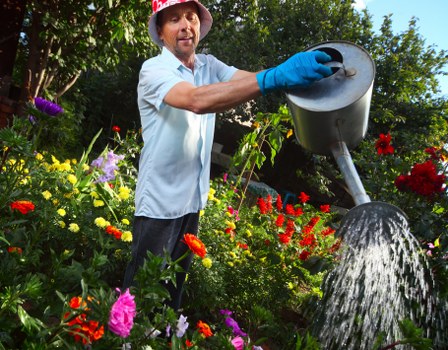 Gardening Norwood champions a practical, neighbourhood-led approach to recycling and sustainability that creates an eco-friendly waste disposal area and a thriving sustainable rubbish gardening area. Our aim is to integrate garden care with low-carbon operations and intelligent reuse so that green spaces in Norwood are cleaner, greener and more resource-efficient. This page summarises targets, local infrastructure and the partnerships that help us divert waste from landfill while improving soil health and biodiversity.
Why an eco-friendly waste disposal area matters
Creating an eco-friendly waste disposal area in community gardens reduces transport emissions, increases on-site composting and makes it easier for residents to separate materials correctly. We promote a simple separation system that aligns with the boroughs' approach to waste separation: coloured containers for organics, mixed recyclables, glass and residual waste. By working with local councils in the Lambeth and Croydon areas we ensure garden waste handling follows local policies and complements household recycling schemes.
Our recycling percentage target and commitment
 Gardening Norwood has set a clear recycling percentage target of 60% diversion of garden and green waste by 2030. This recycling and sustainability goal covers composting, mulching, material reuse and donation of surplus tools and pots to charity partners. We monitor progress through project reporting and by working with local transfer stations and community reuse centres to track tonnes diverted from landfill into productive reuse streams.
To meet our goals we use a mix of on-site and off-site facilities: community compost bays, local household waste recycling centres in neighbouring boroughs, and municipal transfer stations that accept segregated green waste and mixed recyclables. These local transfer stations in Lambeth and Croydon provide vital processing capacity and make it possible for small-scale gardening projects to scale up their recycling impact without overloading local charity channels.
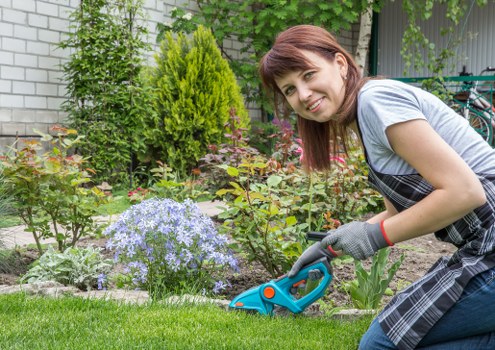 Partnerships with charities are central to our model. We collaborate with community reuse organisations, small social enterprises and food redistribution networks to ensure useful materials stay in circulation. Examples of activity include donating usable pots and tools, supplying woody pruning to community biomass projects, and diverting surplus compost and mulch to neighbourhood allotments. These partnerships extend the life of materials and support local groups that provide training, jobs and social benefits.
Our sustainable rubbish gardening area features segregated bays and clear signage that mirrors the boroughs' separation rules: organic/green waste for compost, paper/card and plastics in mixed recycling, glass in dedicated containers and residual items disposed of responsibly. This alignment reduces contamination, improves recycling quality and lowers processing costs at the transfer station level.
 Operationally, we prioritise low-carbon logistics. Gardening Norwood uses a fleet of low-carbon vans—predominantly electric and hybrid models—for material collection, tool delivery and community outreach. Switching to low-emission vehicles has reduced our transport-related carbon footprint by an estimated 40% compared with conventional diesel vans, while enabling more frequent, smaller collections that reduce overflow and discourage illegal dumping.
Our approach also includes practical recycling activities tailored to the local context. Common activities are:
- Community composting of garden and food-scrap materials to produce nutrient-rich soil for planting beds.
- Mulching and woodchip production from pruning and tree work, returned to paths and beds to retain moisture and suppress weeds.
- Separation of plastics, glass and metal for transfer to municipal recycling streams at nearby centres in the boroughs.
- Reuse and donation of plant pots, tools and furniture to charity partners and social enterprises.
These sustainable rubbish gardening area activities are designed to support circular economy principles: reduce, reuse, recycle—and regenerate soil and habitats in the process.
Monitoring, community engagement and continuous improvement
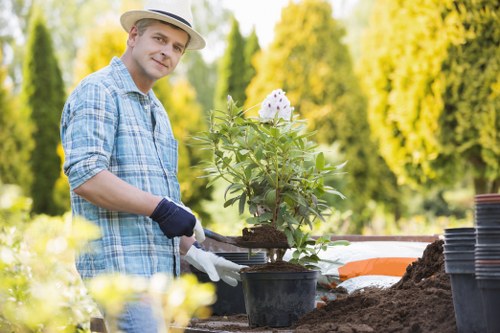
Monitoring is done through annual tonnage reports, volunteer logs and partnership feedback from nearby transfer stations and charity partners. We use simple performance indicators—tonnes diverted, compost produced, number of items reused and vehicle miles saved—to measure progress toward our 60% recycling target. We also benchmark against neighbouring borough recycling profiles to identify opportunities for improvement.
How you can support sustainability in Norwood gardens
Everyone has a part to play. When visiting or volunteering at a Gardening Norwood site, please use the clearly labelled bays, separate food and garden waste, and report bulky items so we can arrange charity pickup or responsible disposal. Supporting our low-carbon collections and donation channels directly helps reduce greenhouse gas emissions and keeps useful materials in circulation.In summary, Gardening Norwood’s recycling and sustainability programme combines practical on-site practices, collaboration with local transfer stations and charities, and a transition to low-carbon vans to create a resilient, eco-friendly waste disposal area and a model sustainable rubbish gardening area. Our 60% recycling target by 2030 is ambitious but achievable through steady community action, transparent monitoring and strong partnerships that keep materials working for people and the environment.