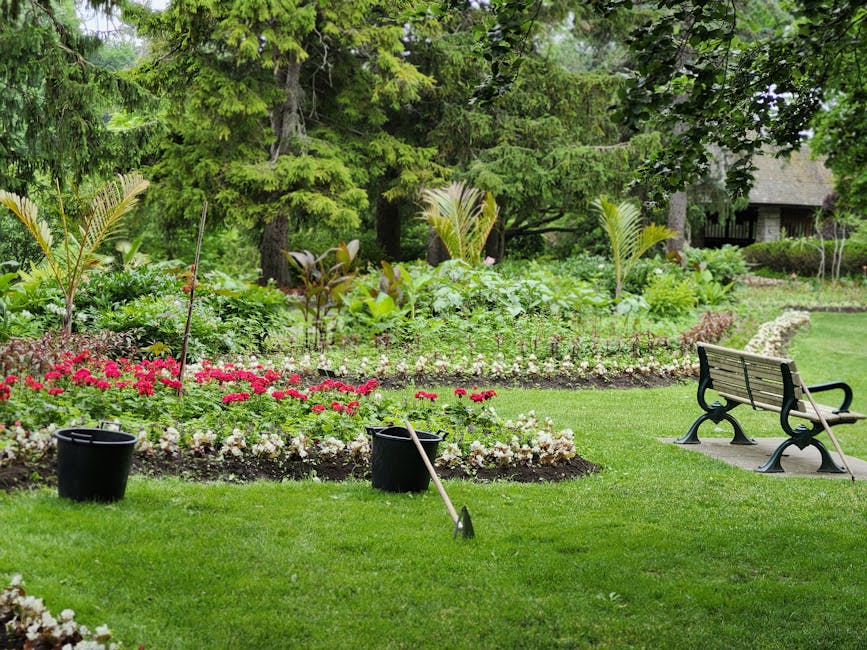
Norwood garden maintenance prices real cost guide: the real cost, what drives it, and how to budget well
If you have ever looked at a tidy front garden in Norwood and thought, "How much does that actually cost to keep it like that?", you are in the right place. This Norwood garden maintenance prices real cost guide breaks down the numbers in plain English, so you can understand what you are paying for, what affects the price, and where the hidden costs tend to creep in. Not the glossy version. The real one.
Garden maintenance pricing can feel a bit slippery at first. One quote looks reasonable, another feels oddly low, and then you realise the job includes hedge trimming, waste removal, seasonal tidy-ups, and maybe a lawn that has gone from "a bit long" to "a small meadow". Let's face it, gardens do not stay neat by magic. This guide will help you compare options properly, avoid common pricing mistakes, and decide what makes sense for your home, budget, and level of hassle tolerance.
For a broader look at available work, you can also review the full services overview and, if you want to understand how quotes are typically structured, the pricing and quotes information is a useful next step.
Table of Contents
- Why Norwood garden maintenance prices real cost guide Matters
- How Norwood garden maintenance prices real cost guide Works
- Key Benefits and Practical Advantages
- Who This Is For and When It Makes Sense
- Step-by-Step Guidance
- Expert Tips for Better Results
- Common Mistakes to Avoid
- Tools, Resources and Recommendations
- Law, Compliance, Standards, or Best Practice
- Options, Methods, or Comparison Table
- Case Study or Real-World Example
- Practical Checklist
- Conclusion
- Frequently Asked Questions
Why Norwood garden maintenance prices real cost guide Matters
Garden maintenance is one of those services that looks simple until you need to price it properly. A lawn may need regular cutting, but the real job often includes edging, weeding, pruning, clearing leaves, hedge shaping, and removing cuttings. That is before you even get into seasonal jobs like spring resets or late-autumn leaf clearance.
In Norwood, properties can vary a lot. You might have a compact urban garden that only needs a quick tidy every couple of weeks, or a larger family garden with mature shrubs, awkward side access, and enough growth to keep one person busy all afternoon. Pricing should reflect that reality. If it does not, you end up comparing apples with pears, and nobody benefits from that.
Understanding the real cost matters for a few reasons:
- It helps you set a realistic budget without underestimating the work.
- It makes quotes easier to compare on a like-for-like basis.
- It protects you from cheap estimates that omit essential tasks.
- It helps you choose between one-off tidy-ups and regular maintenance.
There is also a trust angle here. A clear quote tells you what is included, what is excluded, and whether waste disposal, materials, or specialist tools will add to the total. If a price seems unusually low, ask why. That little pause can save a lot of frustration later on. Truth be told, most "cheap" jobs become expensive when the missing items start appearing on the invoice.
How Norwood garden maintenance prices real cost guide Works
Garden maintenance pricing usually follows a combination of job size, time, labour, tools, waste, and complexity. A small regular lawn-cutting visit is priced very differently from a full overgrown garden clear-up, even if both are in the same postcode. The important thing is understanding the mechanics behind the estimate.
Most local garden maintenance quotes are influenced by these factors:
- Garden size - bigger areas take longer and usually require more materials or waste handling.
- Condition of the garden - a well-kept space costs less to maintain than an overgrown one.
- Frequency - regular visits often work out more efficiently than infrequent, heavy-duty jobs.
- Access - awkward gates, shared paths, or no easy parking can add time.
- Type of work - mowing, hedge trimming, pruning, weeding, and leaf clearance all have different effort levels.
- Waste removal - green waste can be included, charged separately, or left for you to handle.
- Season - spring and autumn often bring heavier workloads.
Some providers charge by the hour, while others prefer fixed-price visits or maintenance plans. Hourly pricing can be useful for unpredictable jobs, but fixed quotes are often easier for homeowners because you know where you stand. If the garden needs a bit of everything, a clear scope of work matters more than the label on the pricing model.
For many customers, the best value comes from a regular maintenance schedule rather than one-off rescue jobs. A garden that is seen every two weeks rarely turns into the kind of tangled, knee-high situation that makes everyone sigh quietly before starting. You know the type.
Key Benefits and Practical Advantages
There is more to garden maintenance than just keeping things neat. When pricing is transparent and the schedule is sensible, you get benefits that show up in the garden and in your weekly life. Small thing, big difference.
1. Better long-term value
Regular upkeep usually reduces the need for drastic catch-up work. A garden that is trimmed, weeded, and checked frequently tends to need fewer emergency sessions, which can save money over time.
2. Cleaner presentation
For front gardens especially, first impressions matter. A sharp lawn edge, controlled hedges, and tidy borders can make a property feel cared for straight away. That can matter if you are preparing to sell, rent, or simply want the place to feel less chaotic when you get home on a wet Tuesday evening.
3. Less stress for the homeowner
A lot of people do not want to spend their weekends wrestling with a mower, bagging clippings, or trying to remember whether the roses should be pruned yet. A maintenance plan takes that burden off your shoulders.
4. Healthier planting and lawn condition
When work is done at the right time and in the right way, plants generally cope better. Overcutting, missed pruning windows, and neglected weeds can all create extra problems later.
5. Safer outdoor spaces
Regular clearance helps reduce trip hazards from fallen branches, slippery leaves, and overgrown paths. That matters for children, older visitors, and anyone carrying bags through the garden in the dark.
Expert summary: the cheapest garden maintenance quote is not always the best value. The real saving usually comes from a service that matches the garden's condition, the visit frequency, and the level of detail you actually need.
Who This Is For and When It Makes Sense
This guide is useful for homeowners, landlords, tenants with permission to arrange outdoor care, managing agents, and anyone who wants a dependable outdoor space without spending every Saturday on it. It also helps if you are comparing prices for a one-off tidy-up versus ongoing upkeep.
Garden maintenance makes the most sense when:
- your garden gets messy faster than you can keep up with it;
- you want a consistent look throughout the year;
- you have hedges, shrubs, or climbing growth that need regular control;
- you are preparing a home for sale or new tenants;
- you simply do not have the time, tools, or physical capacity to do it yourself.
It can also be the sensible option after a period of neglect. Maybe life got busy. Maybe the weather was awful for weeks. Maybe the mower has decided to stop doing its job, which is very inconvenient of it. In that case, a one-off restoration visit followed by a lighter maintenance schedule is often more cost-effective than trying to manage the whole thing in bits and pieces.
If you are unsure which level of service fits your situation, browsing the service overview and then requesting a quote through the contact page is usually the easiest next move.
Step-by-Step Guidance
If you want a realistic view of garden maintenance costs, do not start with the price alone. Start with the work. A good estimate follows the job, not the other way around.
- Walk through the garden slowly. Note lawns, borders, hedges, weeds, fallen leaves, access points, and any awkward corners. If you have to step over three forgotten plant pots and a rogue hose, that counts too.
- Separate regular tasks from one-off tasks. For example, mowing and edging may be regular. Cutting back a heavy hedge or clearing a border after winter may be a seasonal add-on.
- Measure the rough size. You do not need a surveyor's notebook. Just understand whether the garden is small, medium, or large, and whether it has more lawn, planting, or hard landscaping.
- Decide how often you want help. Weekly, fortnightly, monthly, or just for seasonal clear-ups each option changes the cost profile.
- Ask what is included. Labour, waste removal, equipment use, and materials should all be clear. Do not assume. Assumptions are where budgets go to sulk.
- Compare at least two or three quotes. Not just the total. Compare scope, visit length, and whether the same tasks are covered.
- Check how changes are handled. If a job becomes larger on arrival, ask how variation work is priced.
- Review the schedule after the first visit. A good maintenance plan should become more predictable once the garden is back under control.
A practical example: a small front and rear garden with a manageable lawn, some light weeding, and hedge shaping may suit a monthly or fortnightly arrangement. By contrast, a mature garden with heavy leaf fall and mixed planting often needs a more seasonal rhythm. Same postcode, very different labour profile.
Expert Tips for Better Results
Here is where people tend to save money without cutting quality. Nothing flashy. Just sensible choices.
Be specific about the outcome you want
Do you want "tidy", "well-kept", or "show-home neat"? Those are not the same thing. A clear brief helps avoid surprise extras and makes pricing more accurate.
Group tasks together where sensible
It is often more efficient to combine mowing, edging, light pruning, and weed control in one visit than to spread them over several visits. Less travel, less duplication, better value.
Keep access easy
Store tools, unlock side gates, and clear a path before the visit if you can. It sounds small, but those few minutes save time and can make the whole appointment run smoother.
Do not ignore seasonal timing
Spring and autumn can be intense. If you wait until the garden is visibly swamped, the job becomes heavier and the quote often reflects that. A lighter, more regular approach usually feels kinder on the budget.
Ask about waste handling upfront
Green waste is one of the most common sources of pricing confusion. Ask whether it is removed, composted onsite, or left for collection. This is especially useful after hedge trimming or major cut-backs.
A tiny practical truth: the best garden quotes often come from clear conversations, not perfectly worded emails. Say what you need. Mention what bothers you. A patchy lawn, bramble creep, or a hedge that is now unreasonably confident about its own size all matter.
Common Mistakes to Avoid
Most pricing problems come from vague scope, not bad intentions. The job looked simple from the kitchen window, but once work starts, the missing details surface. That is usually where budgets wobble.
- Choosing purely on the lowest price. A low quote may leave out waste removal or essential labour.
- Not clarifying frequency. A single tidy-up and a year-round maintenance plan are priced very differently.
- Forgetting access issues. Narrow gates, no parking, or shared entry can affect time on site.
- Assuming all pruning is the same. Light shaping is not the same as major cut-back work.
- Ignoring seasonal buildup. If you only book once growth is out of control, you will usually pay more.
- Not asking about materials. Sometimes compost, mulch, or replacement plants are extra.
One small but common mistake is trying to compare a one-off "reset" quote against a regular maintenance quote. They are not the same product. It sounds obvious, but people do it all the time, especially when they are juggling a busy week and just want the garden to stop looking back at them accusingly.
Tools, Resources and Recommendations
You do not need a shed full of professional kit to understand or manage garden maintenance costs, but a few practical resources help.
- Simple garden notes: Keep a short list of recurring tasks and problem areas. Even a notes app will do.
- Photos: A few wide shots and close-ups make quoting much easier and more accurate.
- Seasonal schedule: Mark the times when lawns need more attention, hedges need shaping, and leaves start to fall heavily.
- Service information: Read the services overview before requesting a quote so you can match your needs to the right type of work.
- Quote guidance: The pricing and quotes page can help you understand how estimates are usually prepared.
For trust and service background, it can also help to review the company's about us page and the insurance and safety information. That is not glamorous reading, admittedly, but it does answer important questions about professionalism and risk.
If you care about waste handling and environmental practice, the recycling and sustainability approach is worth a look as well. Garden waste disposal is not just a practical issue; it affects the overall cost and the service experience.
Law, Compliance, Standards, or Best Practice
Garden maintenance is not usually a highly regulated consumer service in the way some trades are, but there are still important standards of good practice. In the UK, professional providers should work safely, handle waste responsibly, and be clear about what they are offering. You should also expect sensible communication around access, equipment, and any riskier tasks.
From a customer perspective, the key is to look for:
- Clear terms and conditions so you understand booking, payment, and cancellation expectations;
- Insurance and safety awareness for work involving tools, ladders, debris, or awkward access;
- Respect for privacy and property when contractors are entering side passages or working near neighbouring boundaries;
- Fair handling of complaints in case something is missed or not completed as agreed.
It is also sensible to check how payments are handled and whether the business explains security and processing clearly. The payment and security information and the terms and conditions are useful for that. If you want a clearer picture of how the company handles customer concerns, the complaints procedure is worth reading.
Where applicable, ask whether staff are trained to work safely with tools, sharp cuttings, and uneven ground. It is a straightforward question, and a good provider should answer it without fuss. The neat garden is the visible part; safe working is the part that protects everyone.
Options, Methods, or Comparison Table
There are several sensible ways to buy garden maintenance. The right choice depends on how often the space needs attention and how predictable the work is. Here is a simple comparison.
| Option | Best for | Typical pricing style | Pros | Watch out for |
|---|---|---|---|---|
| One-off tidy-up | Overgrown or neglected gardens | Fixed quote or estimated labour | Fast reset, clear result | Can be costlier if the garden is heavily overgrown |
| Regular maintenance plan | Homes that need ongoing upkeep | Weekly, fortnightly, or monthly visit pricing | More predictable cost, less buildup | Needs consistency from both sides |
| Seasonal visits | Gardens with spring and autumn peaks | Per visit or task-based pricing | Good balance for lighter-use gardens | May not stop weeds or growth between visits |
| Task-only booking | Specific jobs like hedge trimming or leaf clearance | Itemised quote | Useful if you only need one part done | Less cost-efficient if several jobs build up |
There is no universally "best" option. A neat town garden with a small lawn may do well on a simple monthly schedule. A larger property with mature borders might need a mix of light regular maintenance and heavier seasonal work. It depends, as these things usually do.
Case Study or Real-World Example
Here is a realistic scenario. A Norwood homeowner has a medium-sized rear garden with lawn, a few shrubs, a hedge along one boundary, and a border that has gradually become more weed than flower. They have not ignored it on purpose; life just got busy, the weather turned, and suddenly the garden was one of those jobs that kept moving to "next weekend".
The first visit needs more than a simple mow. The work probably includes:
- lawn cutting and edging;
- weed removal from borders and paving;
- light hedge shaping;
- collection and removal of green waste;
- a quick tidy of the whole space so it feels manageable again.
That initial visit will usually cost more than a normal maintenance appointment because it is a reset job, not a routine one. After that, the owner may switch to fortnightly or monthly visits, which are typically more efficient because there is less to clear each time.
What this example shows is simple: the first job is often the most expensive. Once the garden is back under control, the ongoing cost usually becomes calmer and easier to plan around. This is exactly why a proper quote matters. It sets the baseline honestly. No surprises, no mystery add-ons, no awkward phone call where everyone pretends not to be confused.
If you are comparing a similar situation, it may help to contact the team directly with photos and a short task list. That tends to produce a clearer estimate than a vague "how much for the garden?" message. Fairly obvious, but still worth saying.
Practical Checklist
Use this checklist before you request a quote or agree to a maintenance plan.
- Identify the main tasks: mowing, weeding, pruning, hedge trimming, leaf clearance, or full tidy-up.
- Decide whether you need a one-off visit or ongoing maintenance.
- Take clear photos of the garden from a few angles.
- Note access details, parking limits, and gate width if relevant.
- Ask whether waste removal is included.
- Ask how often the service recommends visits for your garden size.
- Check whether materials or specialist equipment cost extra.
- Review payment terms and any booking conditions.
- Compare scope as well as price.
- Set a realistic seasonal budget, not just a one-month figure.
One-line truth: a clear brief saves money. Almost every time.
Conclusion
The real cost of garden maintenance in Norwood is not just about the size of the garden. It is about frequency, condition, access, waste, and the level of finish you want. Once you understand those pieces, pricing becomes much easier to judge and far less stressful to compare.
A good maintenance plan should do two things at once: keep your outdoor space looking cared for and keep your budget predictable. If you get both, you are in a strong position. If a quote feels unclear, ask questions. If a garden is badly overgrown, budget for a reset first. If regular upkeep is what you need, lean into it early rather than late.
And if you are still weighing up the numbers, it helps to remember this: a well-kept garden is not only about appearance. It is about ease, safety, and that quiet little relief you feel when you step outside and the space actually feels usable. Nice, isn't it?
Get a free quote today and see how much you can save.
Frequently Asked Questions
How much does garden maintenance usually cost in Norwood?
It depends on the garden size, condition, and tasks involved. A small regular maintenance visit is usually priced very differently from a full overgrown garden tidy-up. The most accurate way to find out is to request a quote based on the actual work needed.
What affects the price the most?
The biggest factors are labour time, access, garden condition, waste removal, and how many different tasks are included. A simple mow is one thing; mowing, hedge trimming, weeding, and clearance together is another altogether.
Is a one-off garden tidy-up more expensive than regular maintenance?
Usually, yes. One-off tidy-ups often involve more labour because the garden has had time to build up weeds, long grass, and general debris. Regular maintenance is often more efficient because the work stays lighter.
Should waste removal be included in the quote?
It should be clearly stated either way. Some quotes include green waste removal, while others treat it as an extra. Always ask, because waste handling is one of the most common reasons a "cheap" quote becomes less cheap.
How often should I book garden maintenance?
That depends on how fast your garden grows and how neat you want it to look. Many gardens do well with fortnightly or monthly visits, but heavily planted or fast-growing gardens may need more frequent attention in spring and summer.
What should I send when asking for a quote?
Photos, a short list of tasks, and access details are the most useful things. If you know the size of the garden or whether it has easy side access, include that too. The clearer you are, the more accurate the quote will be.
How do I know if a quote is fair?
Compare what is included, not just the total price. A fair quote should explain the scope of work, frequency, waste handling, and any extras. If something feels vague, ask for clarification before you agree.
Can I combine several garden tasks into one visit?
Yes, and that is often more efficient. Combining mowing, edging, weeding, and hedge work in one appointment can reduce duplication and improve value, especially if the team is already on site.
Do seasonal jobs cost more?
They can, especially if the garden has built up a lot of growth or leaf fall. Spring and autumn often bring heavier workloads, so seasonal catch-up jobs may take longer than routine maintenance.
What if my garden has awkward access?
Tell the provider before the visit. Narrow side paths, locked gates, no parking nearby, or steep steps can all add time and may affect the price. It is better to mention these early than deal with surprises later.
Can I get a maintenance plan for a small garden?
Absolutely. Small gardens often benefit from regular upkeep because they can look messy quite quickly if they are left alone for too long. A light, routine plan can be more cost-effective than occasional rescue jobs.
Where can I find more information about the company and its policies?
You can review the about us page, the insurance and safety information, and the terms and conditions. If you need to raise an issue, the complaints procedure is also available.
How do I get started?
The simplest next step is to gather a few photos, decide what you need done, and reach out through the contact page. From there, you can compare options and choose a setup that fits your garden and budget.